Konya,
5°C
parçalı bulutlu


Understanding the psychological triggers that drive gambling behavior
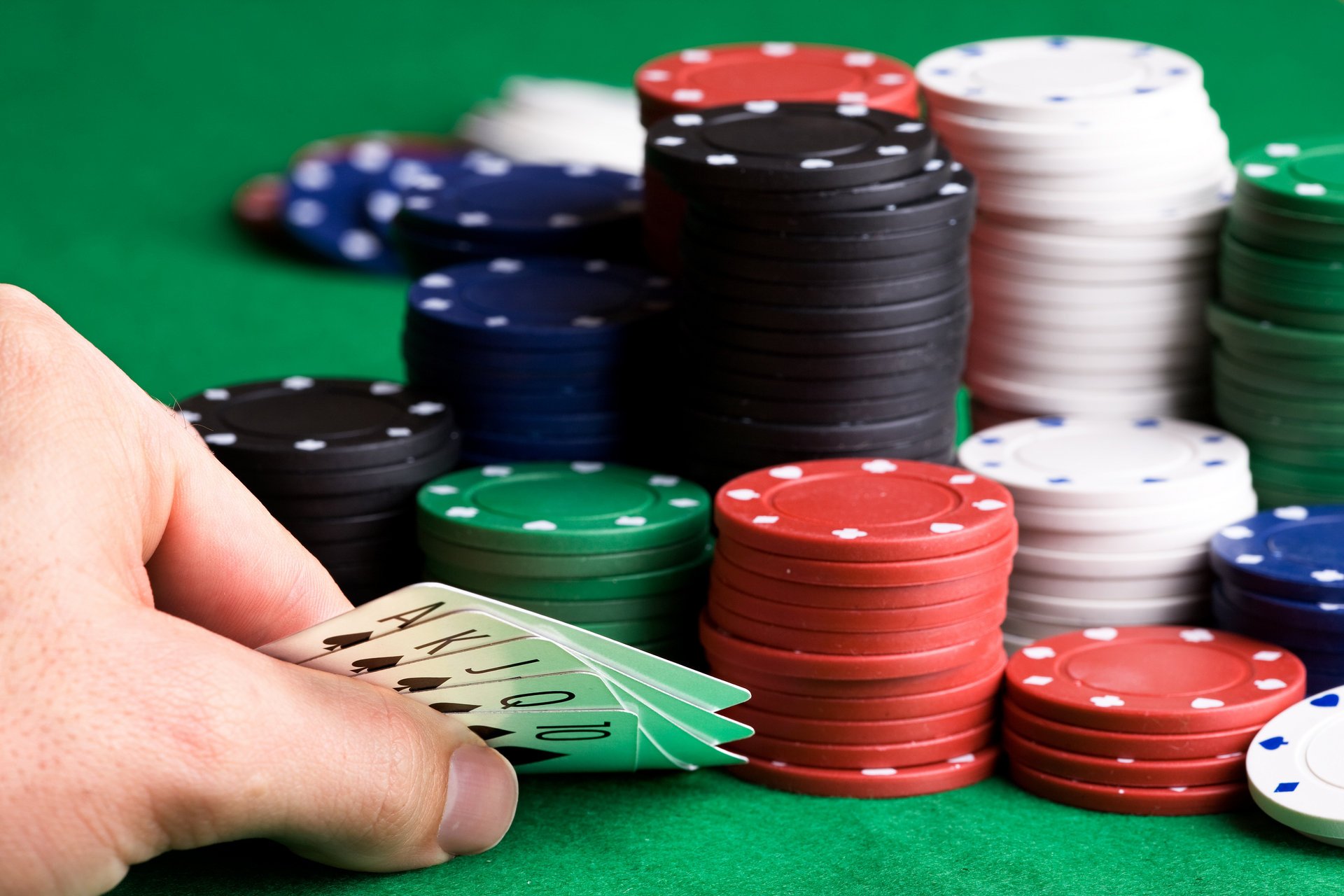
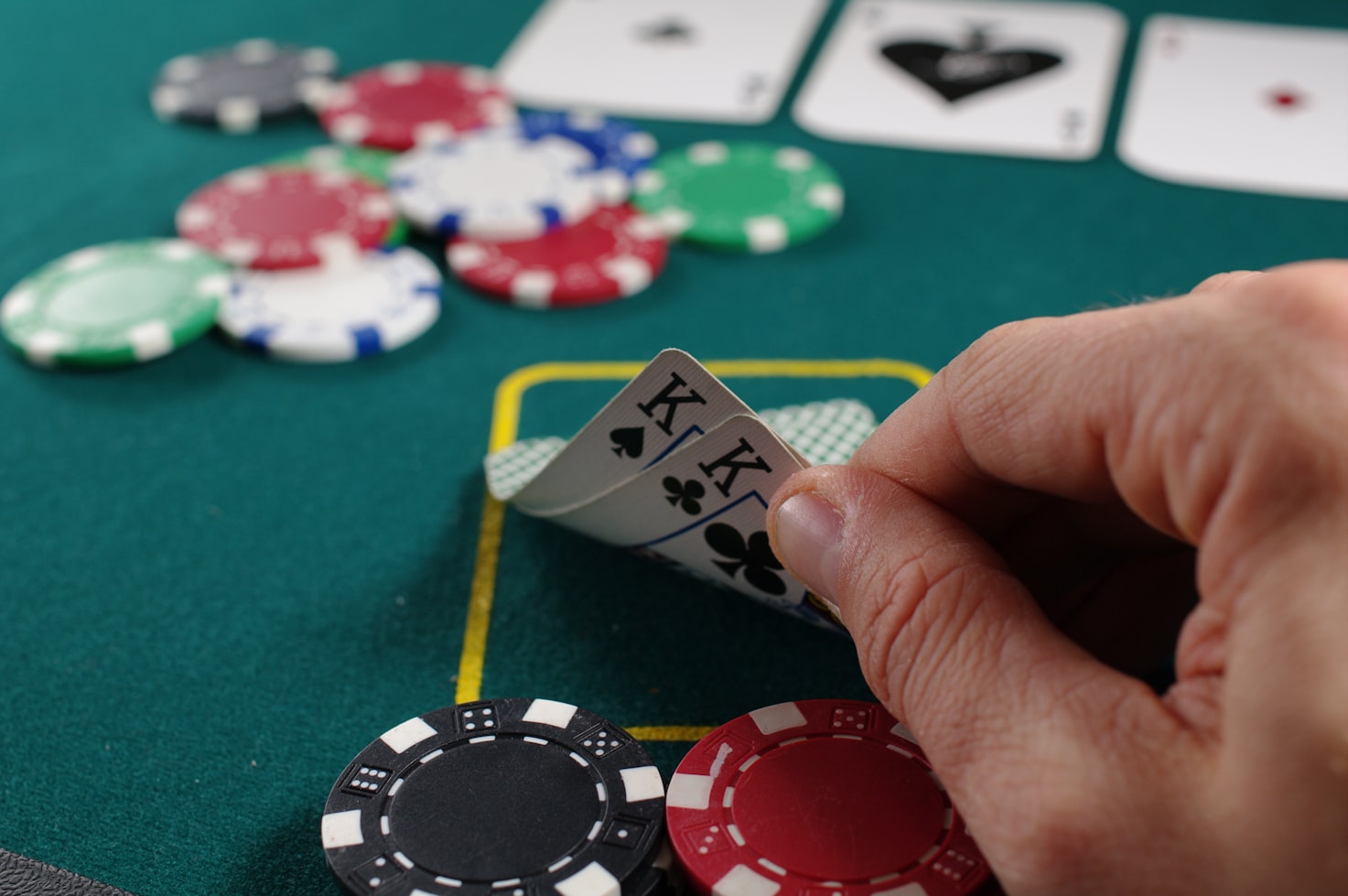
The thrill of gambling often stems from the fundamental psychological principle of risk and reward. Many individuals are drawn to the excitement of potentially winning large sums of money, which can create an adrenaline rush similar to that experienced during high-stakes adventures. This desire for immediate gratification can often override rational decision-making processes, leading people to gamble more than they originally intended. Interestingly, some people may try their luck with online casinos, believing that the convenience offers better odds than traditional venues.
This thrill-seeking behavior is deeply rooted in our brain’s reward system. When a player wins, the brain releases dopamine, a neurotransmitter associated with pleasure and satisfaction. This chemical reaction reinforces the behavior, encouraging the individual to gamble again in hopes of replicating that euphoric experience. As a result, the cycle of gambling can become self-perpetuating, making it challenging for individuals to recognize when their actions are spiraling out of control.
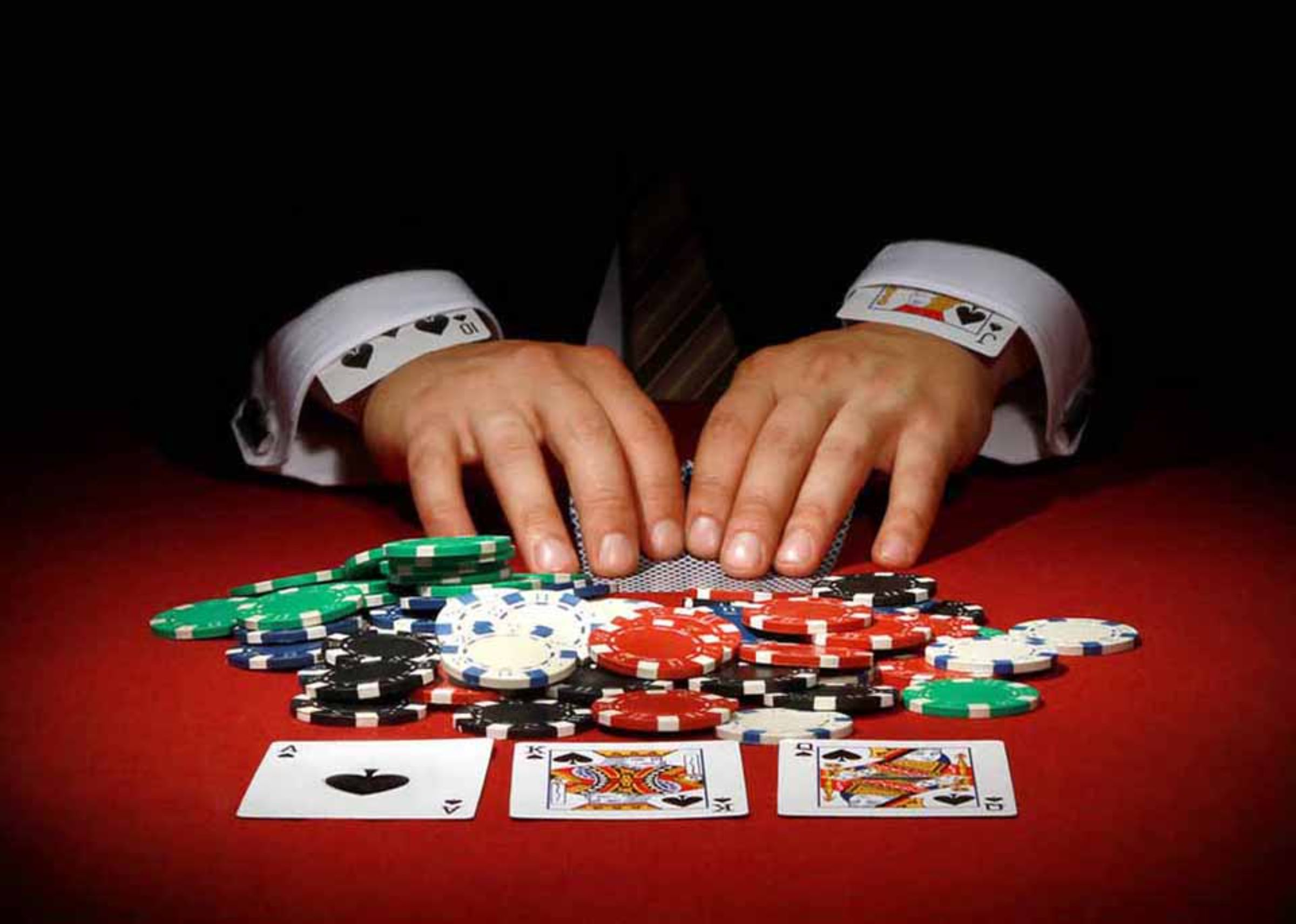
Cognitive biases significantly influence gambling behavior, often leading players to misinterpret odds and outcomes. One common bias is the illusion of control, where gamblers believe they can influence game outcomes through skill or strategy, despite the inherent randomness of most gambling activities. This misconception can compel individuals to engage in riskier bets, as they become overconfident in their abilities.
Another prevalent cognitive bias is the gambler’s fallacy, which is the mistaken belief that past events influence future outcomes. For example, a player might think that a slot machine is “due” for a payout after a series of losses, prompting them to continue playing despite mounting losses. These cognitive distortions can cloud judgment and lead to compulsive gambling behaviors.
Social influences play a crucial role in shaping gambling behavior. Peer pressure and social norms can encourage individuals to participate in gambling activities, especially in environments where gambling is normalized, such as casinos or sports events. This social context can amplify the excitement surrounding gambling, making it more appealing to those who might otherwise refrain from such activities.
Moreover, the rise of online gambling and social media platforms has further contributed to these influences. Social networks can create an environment where gambling is glamorized and celebrated, making it seem like a popular and acceptable pastime. As individuals engage with their peers in these contexts, they may feel compelled to join in, even if they are aware of the risks involved.
Emotions play a significant role in driving gambling behavior. Many individuals turn to gambling as a way to escape negative feelings or stress. In moments of distress, the prospect of winning can offer a temporary respite from life’s challenges, leading individuals to gamble as a coping mechanism. This behavior can quickly become problematic as the emotional relief from gambling can lead to increased frequency and intensity of play.
Conversely, positive emotions can also fuel gambling. For instance, feelings of excitement and celebration may encourage individuals to gamble as a way to enhance their enjoyment during social gatherings or events. However, these moments of emotional high can cloud judgment and lead to impulsive decisions that result in significant financial losses.
Understanding the psychological triggers that drive gambling behavior is crucial for promoting responsible gambling practices. Awareness of the cognitive biases, emotional factors, and social influences can help individuals make informed decisions and recognize when their gambling habits might be becoming unhealthy. Effective strategies, such as setting limits and seeking support, can aid in maintaining control over gambling activities.
By fostering a deeper understanding of these psychological triggers, individuals can learn to enjoy gambling as a form of entertainment without succumbing to the pitfalls of compulsive behavior. As we continue to explore the complex relationship between psychology and gambling, it is essential to prioritize mental health and well-being in all gambling-related activities.