Konya,
8°C
kısa süreli hafif yoğunluklu yağmur

Exploring the psychological triggers that influence casino gambling behavior
The thrill of gambling often stems from the inherent risk and potential reward involved in casino games. This dynamic can activate a range of psychological triggers that compel players to engage in gambling behavior. For many individuals, the chance of winning a substantial sum can create an exhilarating rush, akin to the rush of extreme sports. Interestingly, this urge can lead players to explore various options, such as visiting https://www.tjmahal.co.uk/, in search of new adventures. The unpredictability of outcomes feeds into the human desire for excitement and adventure, pushing players to try their luck time and time again.
Additionally, the concept of loss aversion plays a crucial role in gambling psychology. Players are often more motivated to avoid losses than to achieve equivalent gains. This bias can lead to chasing losses—a common behavior in which gamblers continue to play in hopes of recouping what they have lost. The emotional toll of losses can further entrench the desire to gamble, leading to a cyclical pattern of behavior.
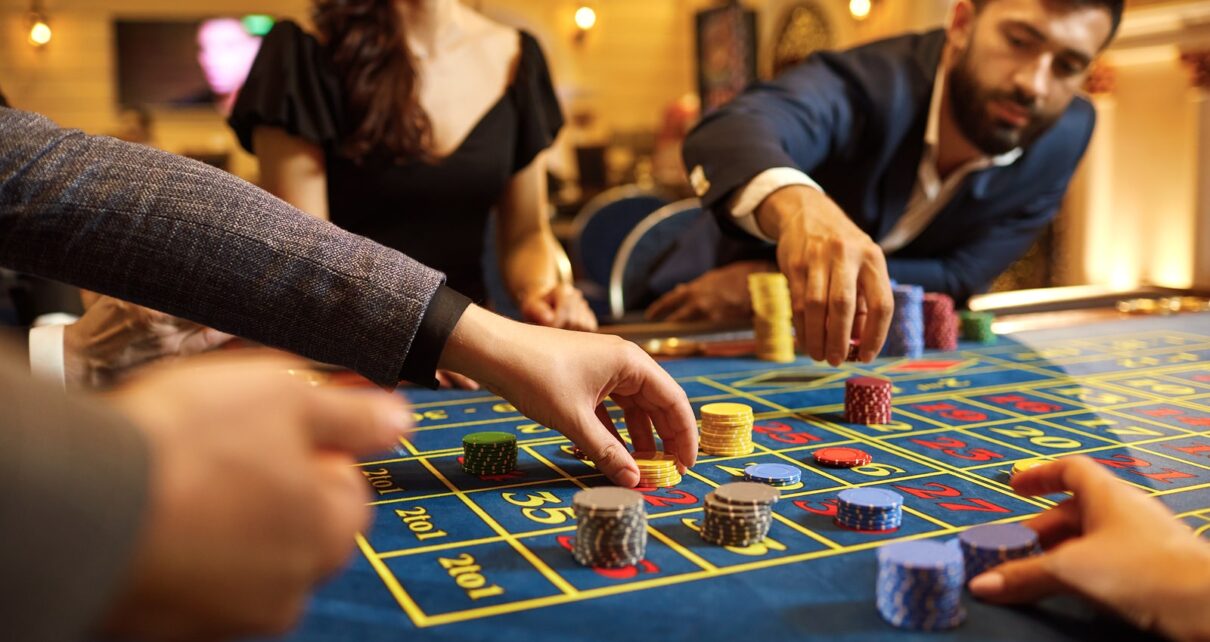
Social dynamics significantly impact gambling behavior, especially in casinos where group activities are prevalent. The atmosphere of a casino can create a sense of community among gamblers, enhancing the experience. People are often influenced by the behavior and attitudes of those around them, leading to a heightened sense of excitement when they witness others winning. This social reinforcement can lead individuals to gamble more than they might on their own.
Peer pressure also plays a significant role, particularly among younger gamblers. The desire to fit in or impress friends can lead to risky gambling behaviors, overshadowing personal limits and financial responsibility. This group dynamic can be both enticing and dangerous, often resulting in impulsive decisions driven by social acceptance.
Casino operators employ sophisticated marketing techniques and design elements to attract and retain gamblers. Bright lights, engaging sounds, and the strategic placement of games create an immersive environment that keeps players engaged. These sensory elements trigger emotional responses that enhance the gambling experience, making it difficult for individuals to leave even after prolonged periods of play.
Moreover, promotional strategies such as bonuses and free spins can create a sense of urgency and excitement. These offers can manipulate the psychology of players, prompting them to gamble more than they initially intended. The fear of missing out can be a powerful motivator, reinforcing the behavior of returning to the casino in pursuit of better deals and experiences.
Cognitive biases, such as the gambler’s fallacy and illusion of control, also play a significant role in gambling behavior. The gambler’s fallacy is the belief that past random events can influence future outcomes, leading players to believe they are ‘due’ for a win. This misconception can result in increased gambling, as players try to capitalize on what they perceive to be trends or patterns.
Similarly, the illusion of control manifests when players believe they can influence the outcome of games that are purely chance-based. This false sense of agency can lead individuals to take unnecessary risks, as they feel more confident in their ability to predict or alter results. Understanding these cognitive biases is crucial for recognizing how they can drive gambling behavior, often leading to unwise financial decisions.

Recognizing the psychological triggers behind casino gambling behavior is essential for both players and industry stakeholders. By understanding the factors that drive individuals to gamble, players can make more informed decisions and potentially mitigate the risks associated with gambling. This knowledge can empower individuals to set personal boundaries and approach gambling with a healthier mindset.
The exploration of psychological triggers not only sheds light on why people gamble but also assists casinos in creating responsible gaming environments. By fostering awareness and promoting responsible practices, the gaming industry can help ensure a safer and more enjoyable experience for all players. Understanding these dynamics is crucial for anyone involved in the realm of gambling, from casual players to seasoned professionals.